Image
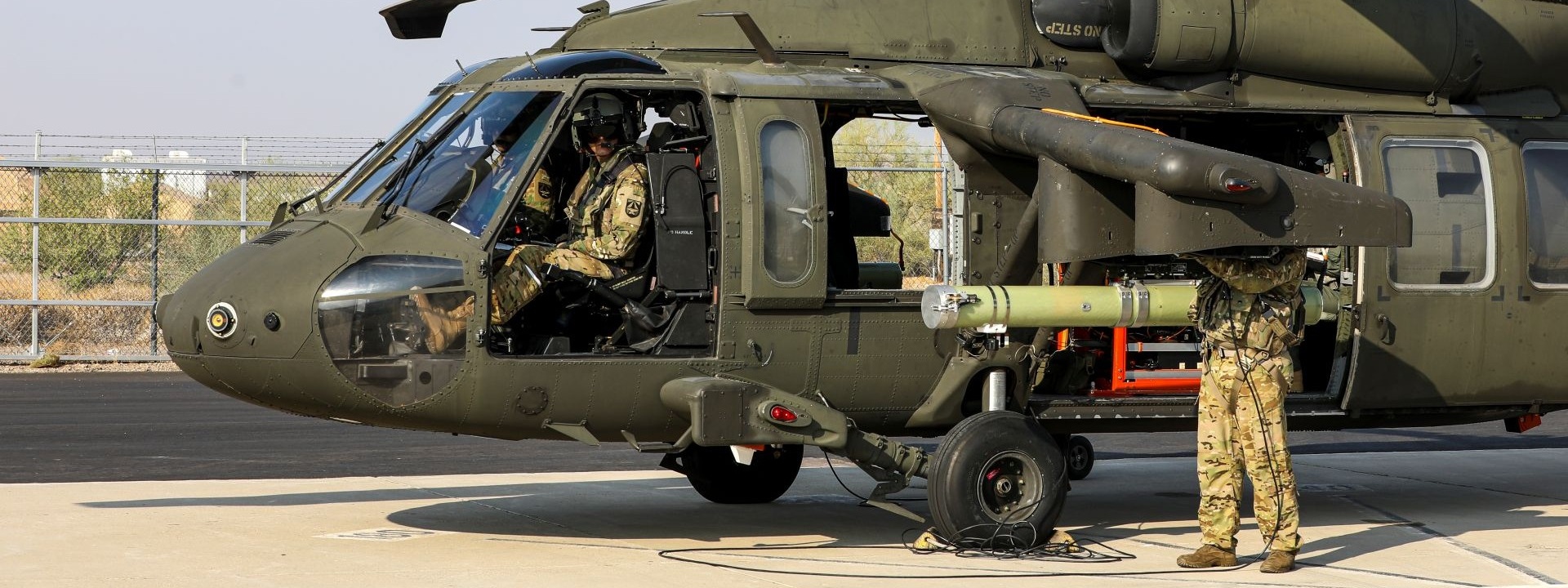

Launched Effects offer NATO Special Operations Forces new ways to sense, understand and shape contested environments while reducing physical and political risk.
Launched Effects (LEs) offer NATO Special Operations Forces (SOF) new ways to sense, understand and shape contested environments while reducing physical and political risk. LEs’ expendability, low-signature profiles and modular payloads enable SOF to penetrate anti-access/area-denial (A2/AD) systems, operate in the grey zone and generate effects without exposing personnel or escalating tensions. Yet LEs also challenge existing SOF doctrine, which does not fully address distributed, semi-autonomous systems or their integration into Multi-Domain Operations. Technologically, LEs remain fragile: highly vulnerable to electronic warfare, dependent on System-of-Systems (SoS) integration and demanding in terms of operator cognitive load. Ethically, their ambiguity raises questions about control, attribution and escalation in politically sensitive environments. This article argues that LEs are not replacements for SOF presence or judgement but disruptive enablers whose value depends on coherent doctrine, resilient architectures and responsible governance. When properly integrated, LEs can significantly enhance SOF strategic relevance in modern competition and conflict.
Launched Effects are a family of small, typically expendable systems launched from manned or unmanned platforms to deliver sensing, non-kinetic, or kinetic operational effects as short-lived, distributed nodes within a broader system-of-systems. Defined by their effect-centric employment rather than by platform type or recovery profile, LEs prioritise access, integration, and contribution to wider sensing and fires architectures over individual platform survivability. This family encompasses a range of technical implementations, including recoverable and non-recoverable systems, as well as non-kinetic and kinetic variants.
NATO SOF increasingly operate in environments shaped by renewed great-power competition, in which adversaries employ dense A2/AD networks, persistent sensing architectures, long-range precision fires and sophisticated electronic warfare (EW). These developments severely constrain the use of traditional ISR platforms and manned aviation, whose visibility and electromagnetic signatures have become major operational liabilities. Analyses of recent high-intensity conflicts, particularly the war in Ukraine, demonstrate how small unmanned systems, massed fires and pervasive EW are transforming the character of warfare and eroding long-standing Western advantages.[1] Ukraine further illustrates the disruptive battlefield impact of drone proliferation, autonomous behaviours and sensor-to-shooter compression in contested airspace.[2]
For SOF, whose missions often occur before the onset of large-scale hostilities or below the threshold of open conflict, the ability to observe, understand and influence adversaries without escalating tensions is essential. Yet the very environments in which SOF traditionally succeed, ambiguous, politically sensitive and denied areas, are becoming increasingly transparent. Improvements in wide-area surveillance, counter-UAS systems and data fusion architectures reduce freedom of movement for small teams and raise the risks of detection and attribution.[3] This compels NATO SOF to adopt sensing and effects that preserve discretion, minimise physical exposure and operate effectively in politically constrained windows. LEs’ performance and vulnerability vary significantly across various SOF mission types, particularly between A2/AD penetration, electromagnetic shaping and partner-enabled sensing tasks.
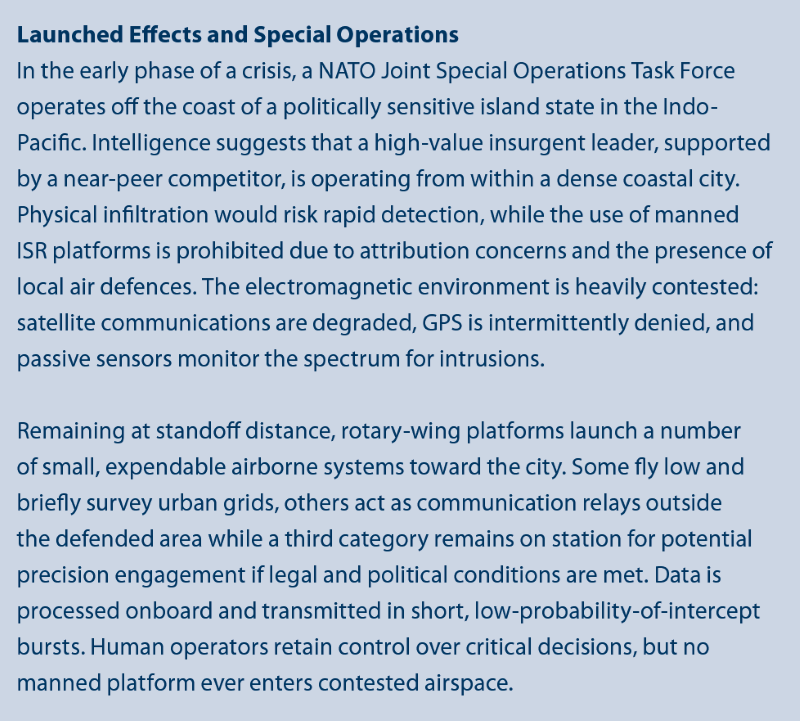
Against this backdrop, LEs, small, expendable systems deployable from manned or unmanned platforms, have emerged as a significant capability. U.S. experimentation during Project Convergence and the EDGE series demonstrated how LEs can penetrate contested airspace to extend ISR reach, provide electronic warfare effects, act as decoys and feed data directly into joint fires and decision processes.[4] NATO’s conceptual work on Multi-Domain Operations (MDO) similarly emphasises the value of dispersed, networked and resilient sensing capabilities in degrading A2/AD architectures and enabling freedom of action.[5] For SOF, LEs offer the possibility to sense and shape operational environments while maintaining plausible deniability and reducing reliance on vulnerable legacy platforms.
Despite their promise, LEs pose doctrinal, technological and ethical challenges. Their employment intersects with SOF’s strategic utility, autonomy governance, distributed effects, human-machine teaming and information fusion, areas where existing NATO doctrine provides limited guidance.[6] LEs also challenge assumptions about SOF presence, physicality and judgement, raising questions about how special operations will be conceptualised in increasingly transparent and politically ambiguous environments.[7]
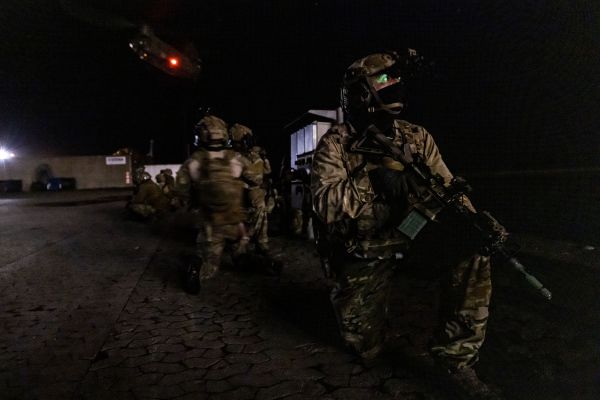
This article examines these issues using insights from doctrine, System-of-Systems theory, PAIM cognitive dynamics and contemporary literature on SOF adaptation. It argues that LEs are not simply technological enhancements but disruptive enablers that require NATO to reconsider how SOF generate advantage in highly contested and politically sensitive settings.[8]
LEs are small, modular airborne systems designed to be deployed from a range of platforms, including helicopters, fixed-wing aircraft, ground vehicles and unmanned systems. Although they resemble small UAVs, their operational logic is fundamentally different: LEs are often expendable, intended to enter highly contested environments for short durations, and optimised for missions in which survivability is secondary to access, velocity and ambiguity.[9] Their design philosophy aligns with contemporary operational realities in which adversaries hold airspace at risk and traditional ISR platforms face increasing vulnerability.
Within this construct, LEs should be understood as an umbrella family rather than a single capability or platform type. Defined by their effect-centric employment and integration into wider sensing and fires architectures, LEs encompass a range of technical solutions delivering both non-kinetic and kinetic effects. These include recoverable and non-recoverable systems with terminal behaviour varying according to mission requirements rather than constituting a defining characteristic of the concept.
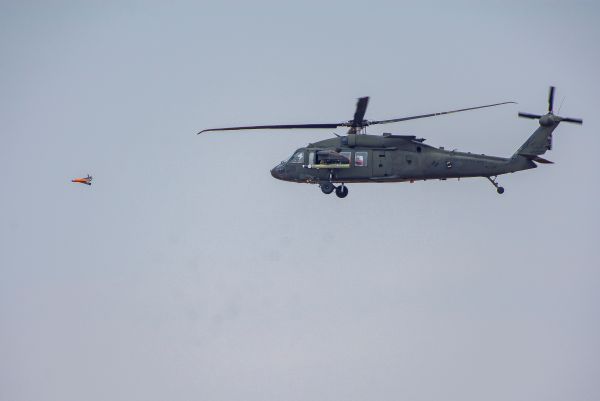
The U.S. Army’s development of Air Launched Effects (ALE) provides the clearest demonstration of LEs’ potential. ALE integrates ISR sensors, electronic warfare payloads, communication relays or decoys into compact platforms capable of penetrating denied airspace while launch platforms remain at standoff distances.[10] Both Project Convergence and the EDGE series revealed how LEs can perform reconnaissance, extend sensor chains, contribute to targeting cycles and generate deceptive effects under demanding electromagnetic and kinetic conditions.[11] Defence reporting underscores their role as distributed nodes within wider sensor architectures designed to saturate or disrupt adversary detection and decision-making systems.[12]
Within the kinetic segment of this family, a distinction can be made between expendable systems intended to generate indirect or system-level effects and those designed to deliver a terminal kinetic effect against an identified target. The former are commonly described as One-Way Effectors (OWE)[13] while the latter are referred to as One-Way Attack (OWA)[14] systems with loitering munitions representing a well-established subset of the latter. This distinction reflects differences in effect logic rather than platform design and clarifies how contemporary one-way systems can be situated within the broader Launched Effects construct.
For NATO SOF, these attributes provide several operational advantages. First, LEs support low-signature ISR, reducing reliance on physical infiltration or conspicuous aerial presence critical in politically sensitive or clandestine contexts. Second, their expendability lowers the political and strategic risks associated with loss; unlike medium- or large-sized UAVs, destroyed LEs do not automatically signal escalation or invite attribution. Third, LEs align naturally with emerging concepts of human-machine teaming, in which operators supervise multiple semi-autonomous systems rather than manually piloting individual platforms.[15] Finally, their modularity allows rapid adaptation through tailored payloads; a longstanding requirement for SOF mission flexibility.
Yet these advantages come with important constraints. LEs are vulnerable to electronic warfare and possess limited endurance. Their autonomy behaviours require clear guidance on oversight and control to ensure responsible employment. Their outputs must feed into broader command-and-control structures to generate meaningful operational value.[16] Their low signature and ambiguity, while operationally attractive, also raise ethical and escalatory risks when employed in grey-zone contexts.[17]
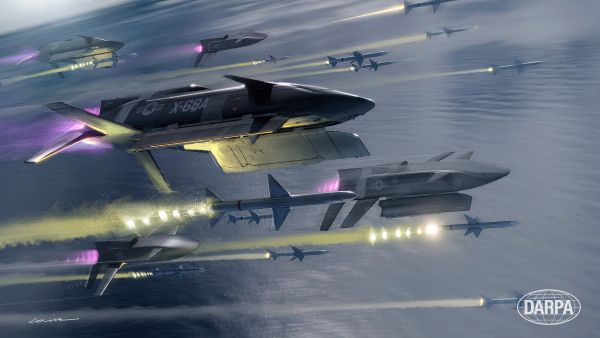
Overall, LEs offer SOF an expanded ability to sense, understand and shape contested environments with reduced physical exposure. Their utility, however, depends on integration into coherent doctrine, resilient networks and robust governance frameworks.
Despite rapid technological development, LEs do not fit neatly within existing NATO doctrinal structures. Allied Joint Doctrine for Special Operations (AJP-3.5) recognises unmanned systems, but its conceptualisation remains grounded in legacy UAV employment. It does not account for the distributed, expendable and (semi-)autonomous characteristics that define LEs, nor the operational logic of deploying large numbers of short-lived systems deep into contested environments.[18] This doctrinal gap complicates command-and-control arrangements, task authority, accountability and the allocation of decision rights, particularly in politically sensitive missions where SOF often operate.
At the strategic level, recent analyses of SOF evolution argue that the shift from counterterrorism to great-power competition requires a redefinition of how SOF provide access, understanding and influence.[19] LEs amplify this transition: they enable presence without exposure, reconnaissance without infiltration and effects without physical proximity. Such capabilities challenge long-standing assumptions about the physicality of special operations, including the degree to which SOF must be physically present to generate strategic or operational effect.
Building on Gans, Blanken and Stelmack’s argument that contemporary SOF must increasingly integrate physical, virtual and cognitive capabilities across domains, emerging systems such as LEs illustrate how this evolution may blur traditional mission boundaries. Special Reconnaissance, historically dependent on physical insertion, can increasingly be supported or partially substituted by standoff sensing conducted through distributed, low-signature LEs. Direct Action may be reshaped by the ability to deliver precision, time-sensitive or electronic effects via LEs’ payloads as part of broader, networked fires architectures. Military Assistance likewise intersects with partner-enabled remote sensing, overwatch and electromagnetic-shaping tools that LEs can provide, extending SOF’s capacity to integrate and orchestrate cross-domain effects.[20]
These trends align with NATO’s developing MDO thinking, which emphasises synchronisation of sensing, decision and effects across domains. Yet LEs often generate data that cannot be meaningfully exploited without supporting architectures, such as joint fires integration, robust communications pathways and interoperable C2 processes. The JAPCC and ACT have highlighted these gaps, noting that dispersed sensing without coherent integration produces limited operational effect.[21] Without doctrinal clarity, LEs risk becoming isolated tactical assets rather than components of a coordinated SOF contribution to MDO.
Another complicating factor is autonomy. Many LEs incorporate semi-autonomous navigation, target recognition or behaviours associated with swarming. Coalition partners vary widely in their policies and risk tolerances regarding autonomy in targeting and effects.[22] For SOF, whose legitimacy rests on precision, discrimination and political sensitivity, ambiguity about who retains control and responsibility in such systems creates unacceptable operational and strategic risk. Clear doctrinal guidance is, therefore, essential before LEs can be fully integrated into NATO SOF frameworks.
From a technical perspective, LEs are best understood not as standalone assets but as components of a broader System-of-Systems (SoS). Foundational SoS literature emphasises that such systems derive their value from the interactions, interfaces and integration among constituent parts, not from the performance of individual elements.[23] LEs exemplify this: their operational utility depends on communications networks, data standards, autonomy software, resilient ground and air nodes, and the ability to plug into joint and coalition architectures.
U.S. experimentation under Project Convergence and the EDGE series consistently demonstrated both the promise and fragility of these systems. LEs proved capable of penetrating contested airspace, conducting ISR tasks and enabling targeting. However, system performance degraded sharply under conditions of intense jamming, GNSS denial or cross-vendor integration.[24] The U.S. Department of Defense’s operational testing reports reinforced this pattern, noting issues with firmware compatibility, sensor degradation, intermittent link stability and latency under electromagnetic stress.[25] For NATO, operating by default in a coalition environment, such interoperability challenges are likely to be even more pronounced.
Human-machine teaming introduces further complexity. While LEs reduce physical risk to operators, they can increase cognitive load by presenting simultaneous data streams, uncertain autonomy behaviours and short tasking windows. Experimentation in initiatives such as Project Convergence has indicated that managing distributed unmanned systems under time pressure can create significant cognitive demand for operators; particularly, when multiple ISR and electromagnetic inputs must be synthesised.[26]
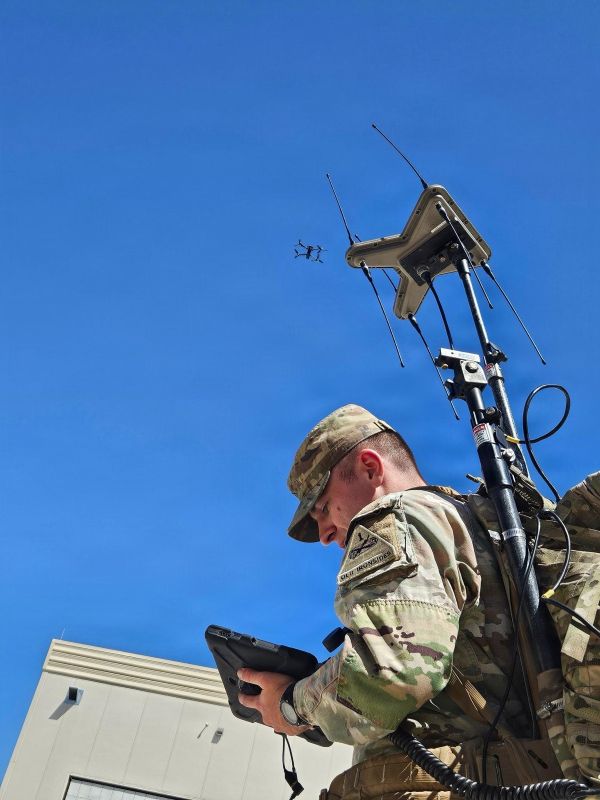
These cognitive challenges align with Predict, Act, Indicate and Model (PAIM) dynamics, which are useful for understanding how operators process information in fast-moving, uncertain environments.[27] Under PAIM dynamics, LEs can compress the Predict-Act-Indicate-Model cycle, amplifying uncertainty and increasing the cognitive load imposed by incomplete, ambiguous or rapidly shifting sensor inputs.
Finally, LEs remain highly vulnerable to electronic warfare. RAND analyses of the Ukraine conflict show that small unmanned systems suffer extreme attrition in high-EW environments, with loss rates so high that operational relevance depends on large inventories, rapid regeneration and resilient network architectures rather than platform survivability.[28] LEs, therefore, offer significant but fragile capabilities that must be integrated into coherent, robust frameworks rather than expected to function independently.
LEs introduce ethical and legal challenges that differ markedly from those associated with traditional SOF enablers. Their expendable nature, ambiguous signatures and increasing levels of autonomy make them highly attractive in politically sensitive environments, yet these same characteristics complicate assessments of control, proportionality and accountability. As autonomy advances, even in limited forms such as navigation, target recognition or swarm behaviours, questions emerge about who, ultimately, exercises meaningful human control and how responsibility is assigned when outcomes deviate from intent.[29]
These concerns are magnified in a coalition environment. NATO allies maintain divergent interpretations of permissible autonomy in targeting, proportionality thresholds and escalation risks. A system deemed acceptable by one nation may fall outside another’s policy boundaries, generating friction in combined operations. For SOF, whose legitimacy, as noted above, relies on discrimination, precision and political sensitivity, such discrepancies can impose operational constraints or introduce strategic risk.
LEs also interact directly with the characteristics of the grey zone, where adversaries rely on ambiguity, incremental actions and plausible deniability. Analyses of contemporary competition argue that states increasingly pursue political and strategic aims through sustained campaigns of influence, disruption and coercion short of open conflict.[30] LEs’ low signatures, ambiguous payloads and deniable employment align well with such environments, enabling SOF to generate effects without crossing visible thresholds. Yet the same ambiguity increases the potential for misinterpretation. An ISR LE might be perceived as pre-strike reconnaissance; an EW payload could be construed as an attack; a decoy might temporarily alter an adversary’s threat perception. Kinetic LEs, particularly OWA systems delivering terminal effects, introduce different escalation and attribution risks than OWEs intended to generate indirect or system-level effects. Without clear signalling or doctrinal limits, these actions risk unintended escalation.
Moreover, LEs complicate traditional understandings of accountability. If a swarm malfunctions under EW pressure, misclassifies a signal emitter or inadvertently creates secondary effects, determining responsibility becomes difficult.[31] Ethical autonomy literature consistently warns that distributed systems can distort operator perception, reduce situational understanding and challenge proportionality assessments.[32] These issues apply with particular force to SOF operations, in which political risk must be tightly managed and missteps can have strategic repercussions.
Finally, LEs challenge existing Rules of Engagement (ROE). Distributed, small-scale actions, each minor in isolation, may cumulatively produce significant operational or political effects. Current ROE frameworks, typically designed around discrete actions by identifiable platforms, are not tailored to managing the emergent behaviour of networks of LEs. Without updated ROEs and governance structures, SOF risk either underutilising LEs out of caution or unintentionally generating effects beyond the intended scope.
Strategically, the introduction of LEs forces NATO SOF to reconsider how they generate influence and advantage across the competition-conflict spectrum. As adversaries increasingly employ integrated air defences, pervasive sensing and aggressive electronic warfare, traditional SOF enablers, such as manned ISR, close-in reconnaissance and physical presence, face diminishing utility. LEs offer pathways to regain strategic relevance by extending SOF reach, enabling persistent sensing and providing non-attributable options for shaping the environment.
One strategic implication is the shift from platform-centric to network-centric special operations. LEs function as distributed nodes within broader sensing and effects webs, enabling SOF to contribute to joint and coalition architectures without exposing personnel. This aligns with evolving concepts of integrated fires and sensor-to-shooter networks observed in U.S. and partnered Project Convergence activities, which explored integrated fires and sensor-to-shooter networks, including joint and coalition experimentation in data fusion, targeting and electromagnetic shaping at operational scale.[33] NATO’s pursuit of innovation through initiatives such as DIANA further reflects the need to accelerate integration of emerging technologies that enhance resilience and interoperability.[34]
LEs also support a strategic transition towards presence without footprint, a critical requirement in politically sensitive regions where overt SOF activity risks escalation or diplomatic repercussions. Low-signature ISR and electronic shaping via LEs allow SOF to monitor, understand and influence adversaries without physical infiltration. This capability aligns with broader analyses of strategic competition, which highlight the increased importance of intelligence, ambiguity and calibrated signalling in the grey zone.[35]
However, these advantages introduce a corresponding risk: overreliance on technological substitutes for human judgement and presence. SOF derive strategic value from their ability to understand context, build relationships and exercise discriminating judgement; qualities that cannot be replicated by expendable autonomous systems. As some scholars note, the utility of SOF in great-power competition rests on blending technological advantage with human expertise rather than replacing one with the other.[36] LEs can enhance SOF contributions but cannot substitute the cognitive, cultural and relational functions that underpin strategic success.
Finally, as adversaries adapt to the proliferation of small unmanned systems, LEs may become contested assets requiring continuous innovation. RAND’s assessment of the Ukraine conflict highlights that unmanned system effectiveness is shaped not only by platform characteristics but by the speed at which forces innovate and counter-innovate.[37] For NATO SOF, strategic advantage will depend on maintaining a cycle of adaptation, integrating LEs into concepts of operation and ensuring they remain interoperable, resilient and ethically governed.
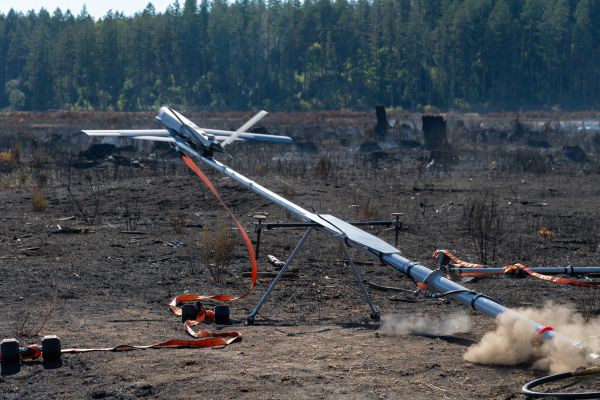
For smaller NATO nations, such as the Netherlands, the implications of Launched Effects are particularly salient. The Netherlands Special Operations Forces operate with limited mass but high strategic sensitivity, often in politically constrained environments where discretion, interoperability and proportionality are critical. LEs offer opportunities to extend sensing, overwatch and electromagnetic shaping capabilities without increasing physical footprint or attribution risk. However, their adoption would require deliberate national choices regarding doctrine, command-and-control authority, autonomy governance and integration with joint and coalition architectures. The question is, therefore, not whether LEs are relevant, but how they can be responsibly integrated into SOF concepts of employment in a manner that reinforces political control, coalition interoperability and SOF’s comparative advantage in precision and judgement.
Launched Effects represent a significant development for NATO SOF, offering new ways to sense, understand and shape contested environments while reducing physical and political risk. Their low signature, expendability and modularity provide SOF with tools suited to modern A2/AD, grey-zone and high-electromagnetic-threat settings, contexts in which traditional SOF enablers face increasing limitations. However, the strategic promise of LEs cannot be realised without addressing the doctrinal, technological and ethical challenges that accompany them.
Doctrinally, LEs sit uncomfortably within existing NATO frameworks. Their distributed, (semi-)autonomous and expendable nature requires clearer guidance on command-and-control, accountability and the integration of sensing and effects into Multi-Domain Operations.[38] Technologically, LEs’ potential is constrained by fragility: vulnerability to EW, dependence on SoS integration and significant cognitive burdens on operators.
Ethically, LEs introduce ambiguity at a time when strategic competition increasingly relies on calibrated, politically sensitive action. Their low-signature employment aligns with grey-zone requirements but also raises risks of misinterpretation, escalation and contested accountability.[39] For SOF, whose legitimacy rests on precision, discrimination and contextual judgement, such risks must be carefully governed.
Ultimately, LEs should not be viewed as replacements for SOF presence or human judgement. Instead, they are disruptive enablers that can amplify the strategic value of SOF when integrated into coherent doctrine, resilient architectures and responsible employment frameworks. Their strategic utility will depend on continuous innovation, interoperable design, robust governance and the ability of SOF to blend technological advantage with human expertise.[40]
[1] B. Frederick et al., The Consequences of the Russia-Ukraine War (Santa Monica, RAND Corporation, 2025).
[2] M. Hvizda et al., Dispersed, Disguised, and Degradable (Santa Monica, RAND Corporation, 2025).
[3] K.D. Thompson, ‘How the Drone War in Ukraine Is Transforming Conflict’, Council on Foreign Relations, 16 January 2024.
[4] AFC, ‘Army Examines Aviation Technologies at EDGE 24’, Army.mil, 17 September 2024; A. Roque, ‘Army Special Ops Put Launched Effects Prototype Through Its Paces at EDGE 23’, Breaking Defense, 25 May 2023.
[5] Allied Command Transformation, NATO MDO Concept (2021).
[6] NATO, Allied Joint Doctrine for Special Operations (AJP-3.5) (Brussels, NATO Standardization Office, 2019).
[7] B. Brust and M. Kitzen, ‘From Counterterrorism to Great Power Competition’, in J.D. Kiras and M. Kitzen (eds.), Into the Void (London, Hurst, 2024) 126–139.
[8] B. Gans, L. Blanken, and R. Stelmack, ‘Special Operations as an Integrating Function’, in J.D. Kiras and M. Kitzen (eds.), Into the Void (London, Hurst, 2024) 140–153.
[9] U.S. Army, Air Launched Effects (ALE): PEO Aviation Program Guide (Redstone Arsenal, 2020).
[10] DOT&E, ‘Air Launched Effects (ALE)’, FY2024 Annual Report extract (2024).
[11] AFC, ‘Project Convergence Campaign of Learning Continues with Events in Pacific and Europe’, Army.mil, 21 June 2024; M. Schauer, ‘EDGE of Innovation: EDGE 24 Concludes at U.S. Army Yuma Proving Ground’, Army.mil, 26 September 2024.
[12] J. Judson, ‘Release the Hounds: Army Event to Feature Drone Swarms That Behave Like a Wolf Pack’, Defense News, 5 April 2022.
[13] MBDA, One-Way Effector: A Solution to Saturate Enemy Defences, MBDA, June 2025.
[14] D. Gettinger, ‘One-Way Attack: How Loitering Munitions Are Shaping Conflicts’, Bulletin of the Atomic Scientists, 5 June 2023.
[15] M.W. Maier, ‘Architecting Principles for Systems-of-Systems’, Systems Engineering 1(4) (1998) 267–284; J.S. Dahmann et al., ‘An Implementers’ View of Systems Engineering for Systems of Systems’, IEEE A&E Systems Magazine 27(5) (2011) 4–19.
[16] M. Priebe et al., Multiple Dilemmas: Challenges and Options for All-Domain Command and Control (Santa Monica, RAND Corporation, 2020).
[17] M.J. Mazarr, Mastering the Gray Zone: Understanding a Changing Era of Conflict (Carlisle, U.S. Army War College, 2015).
[18] NATO, Allied Joint Doctrine for Special Operations (AJP-3.5) (Brussels, NATO Standardization Office, 2019).
[19] Brust and Kitzen, ‘From Counterterrorism to Great Power Competition’, 126–139.
[20] Gans, Blanken, and Stelmack, ‘Special Operations as an Integrating Function’, 140–153.
[21] F. Canovas, ‘Multi-Domain Operations and Challenges to Air Power’, JAPCC Journal 29 (2019) 47–56; Allied Command Transformation, NATO MDO Concept (2021).
[22] V. Boulanin, Mapping the Development of Autonomy in Weapon Systems (Stockholm, SIPRI, 2016); P. Scharre, Autonomous Weapons and Operational Risk (Washington, DC, CNAS, 2016).
[23] Maier, ‘Architecting Principles for Systems-of-Systems’, 267–284; Dahmann et al., ‘An Implementers’ View of Systems Engineering for Systems of Systems’, 4–19.
[24] AFC, ‘Army Examines Aviation Technologies at EDGE 24’; Roque, ‘Army Special Ops Put Launched Effects Prototype Through Its Paces at EDGE 23’.
[25] DOT&E, ‘Air Launched Effects (ALE)’.
[26] J.M. Murray and R.E. Hagner, ‘Project Convergence: Achieving Overmatch by Solving Joint Problems’, Joint Force Quarterly 103(4) (2021) 4–9.
[27] R.E.Mulder, ‘How to Think and Act Faster than the Enemy: Reinterpreting
the OODA Loop Through Neuroscience’, Militaire Spectator 193(10) (2024) 560-567.
[28] Hvizda et al., Dispersed, Disguised, and Degradable.
[29] Boulanin, Mapping the Development of Autonomy in Weapon Systems.
[30] Mazarr, Mastering the Gray Zone; S.G. Jones, The Return of Political Warfare (Washington, DC, CSIS, 2019).
[31] Priebe et al., Multiple Dilemmas.
[32] Scharre, Autonomous Weapons and Operational Risk.
[33] AFC, ‘Project Convergence Campaign’.
[34] NATO, Defence Innovation Accelerator for the North Atlantic (DIANA), 2023.
[35] Mazarr, Mastering the Gray Zone.
[36] L. Blanken, ‘The Future of Innovation in Special Operations Forces’, in J.D. Kiras and M. Kitzen (eds.), Into the Void (London, Hurst, 2024) 199–213.
[37] Frederick et al., The Consequences of the Russia-Ukraine War.
[38] Allied Command Transformation, NATO MDO Concept (2021).
[39] Mazarr, Mastering the Gray Zone; Scharre, Autonomous Weapons and Operational Risk.
[40] Blanken, ‘The Future of Innovation in Special Operations Forces’.